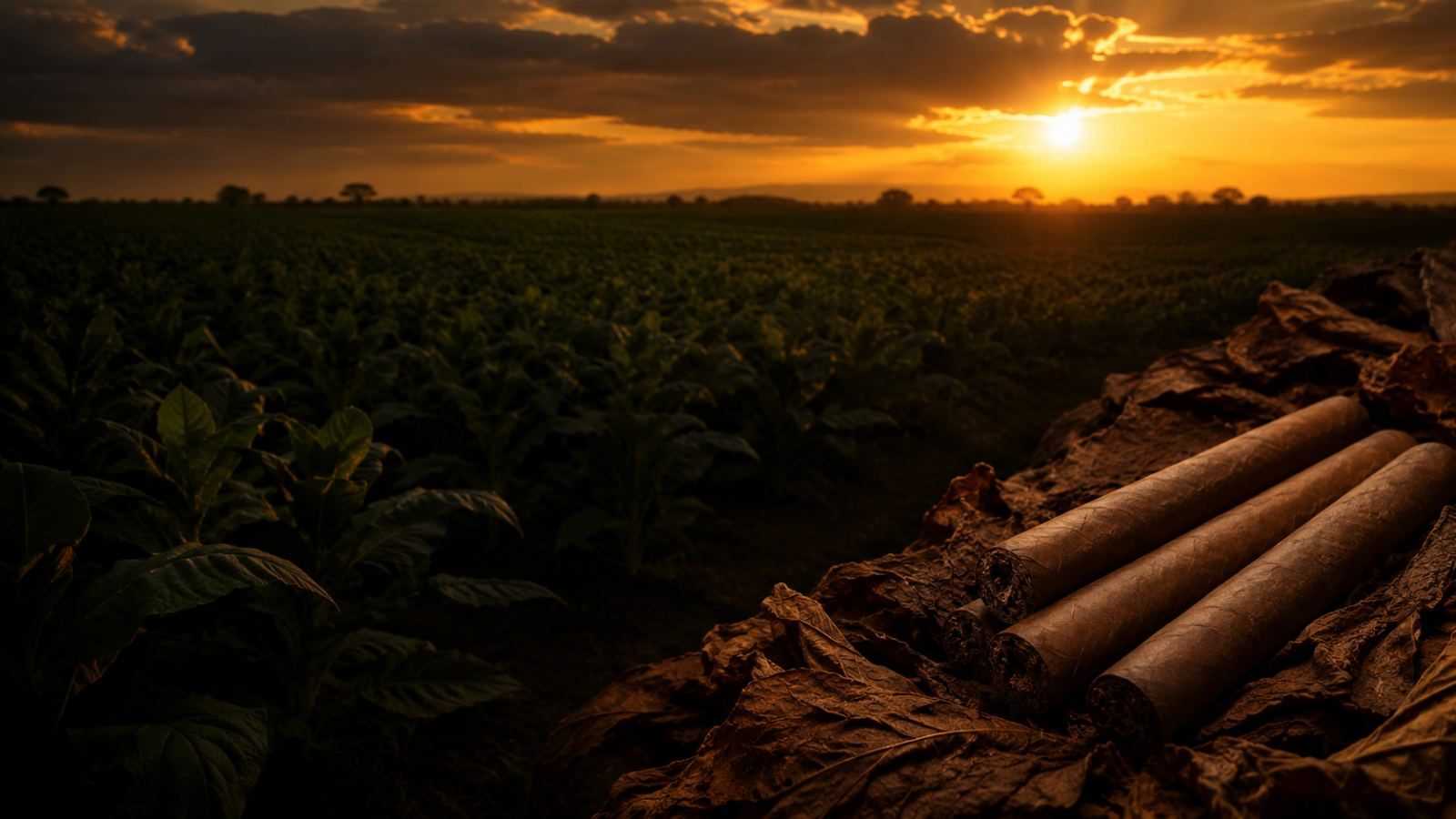
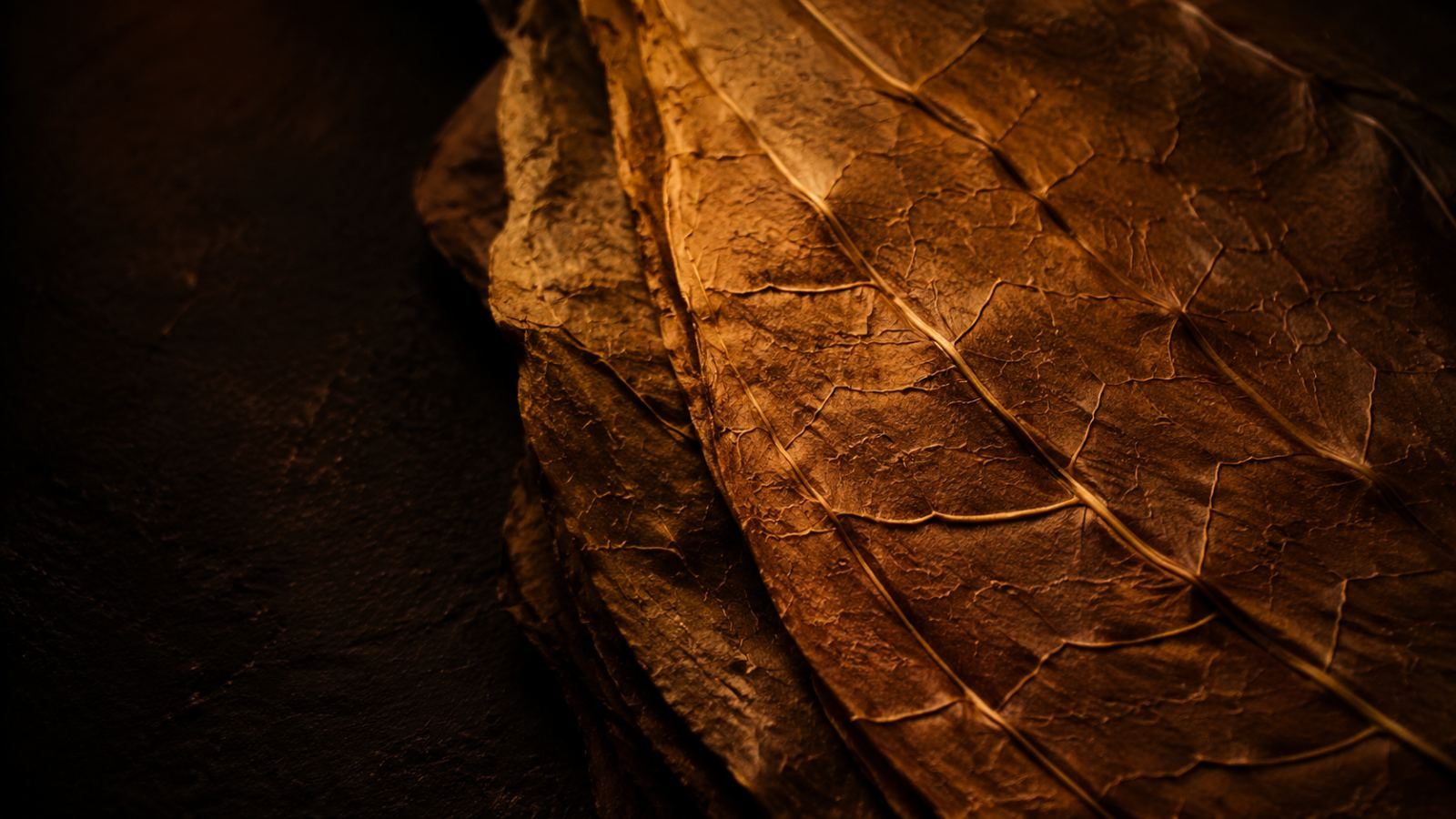
Leaves are evaluated by qualities such as size, texture, condition and intended use. Fermentation develops smoothness and complexity. Careful blending contributes to balance and consistency. Move through the sequence at your own pace — nothing is pinned or auto-advanced.
01
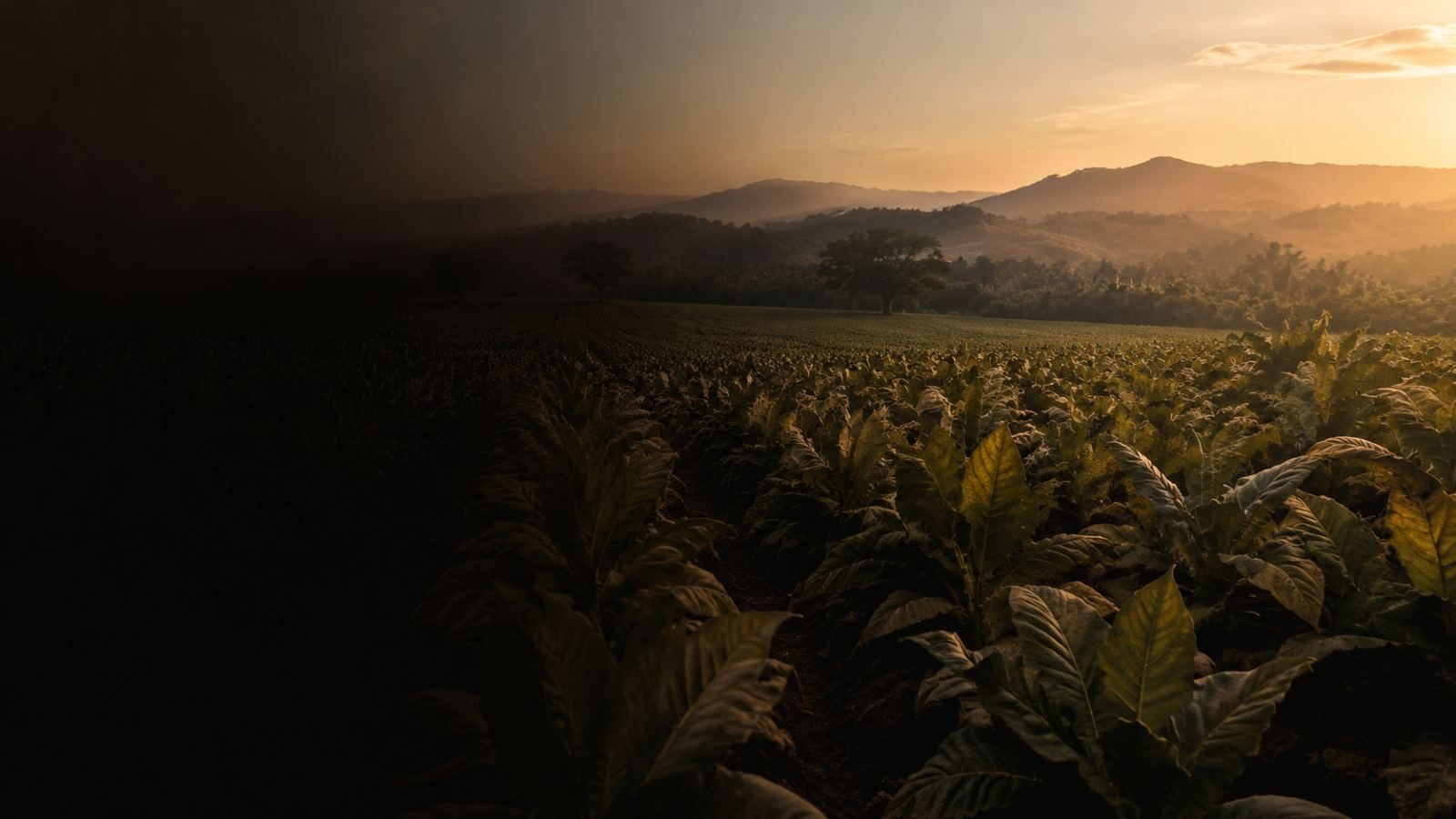
Cultivation
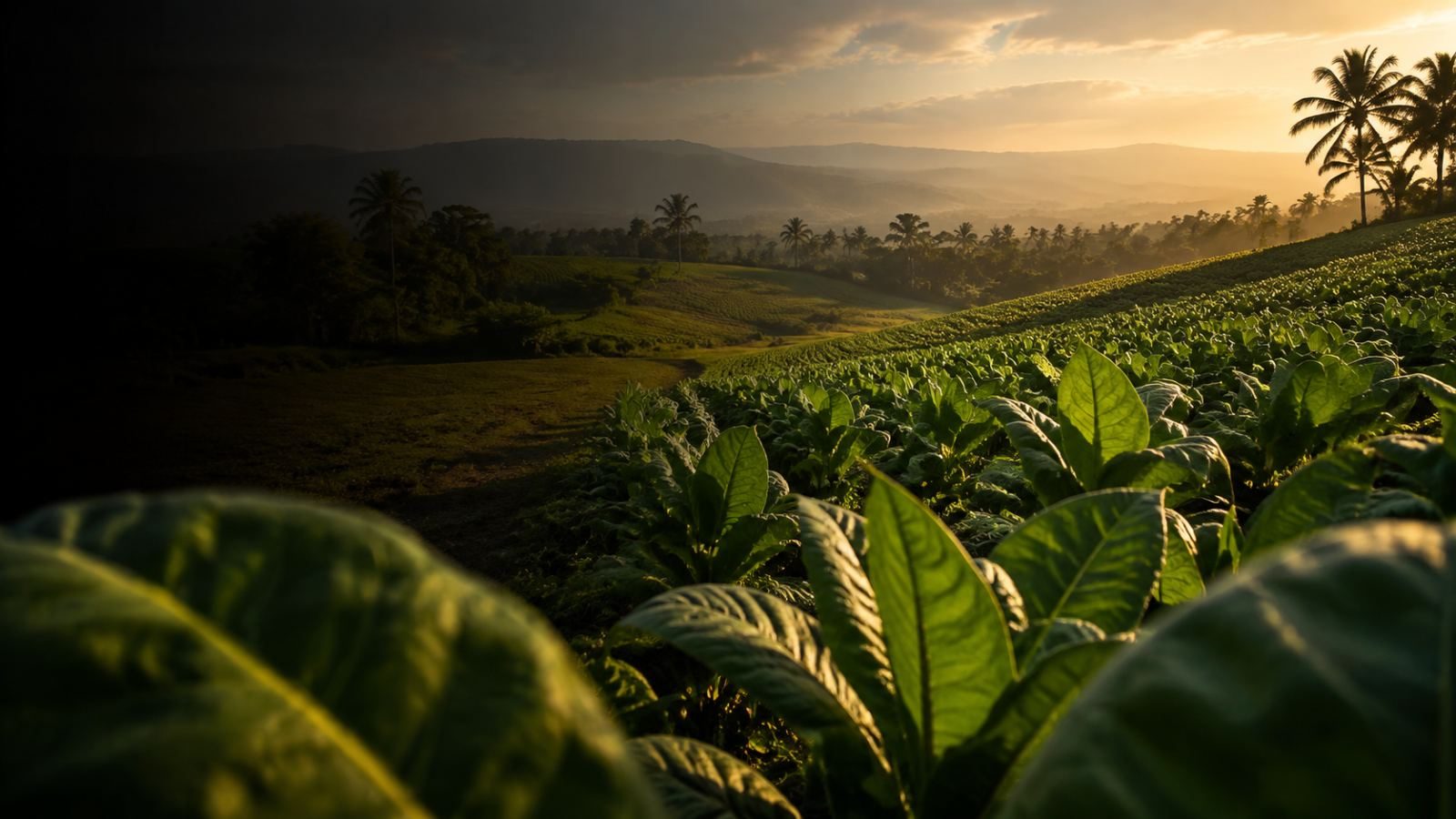
Plants are grown in Dominican soil, where climate and season set the pace. Field decisions made here shape every later stage.
02
Harvesting
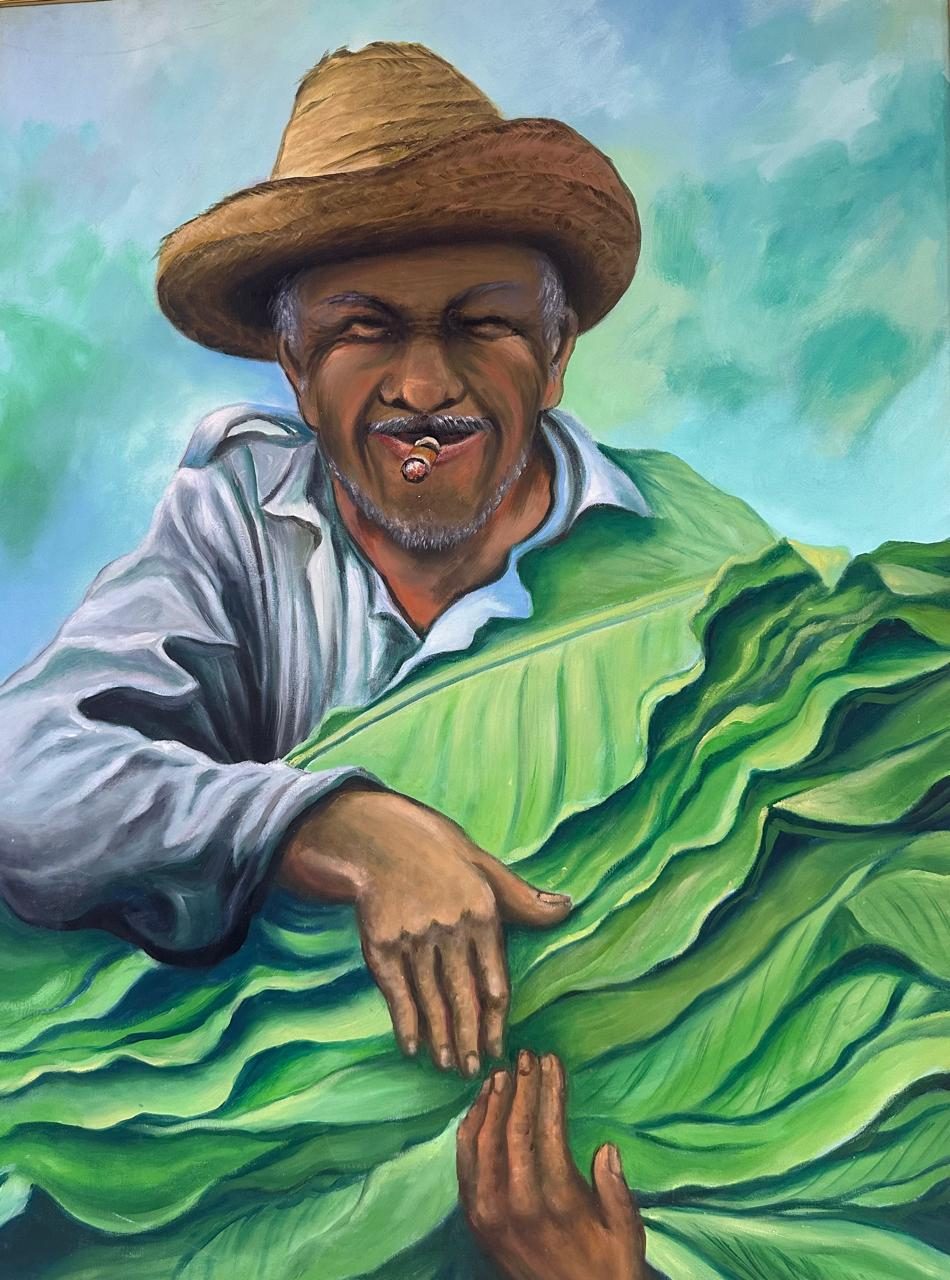
Leaves are taken by priming — the position on the stalk determines when a leaf is ready and what it will be used for.
03
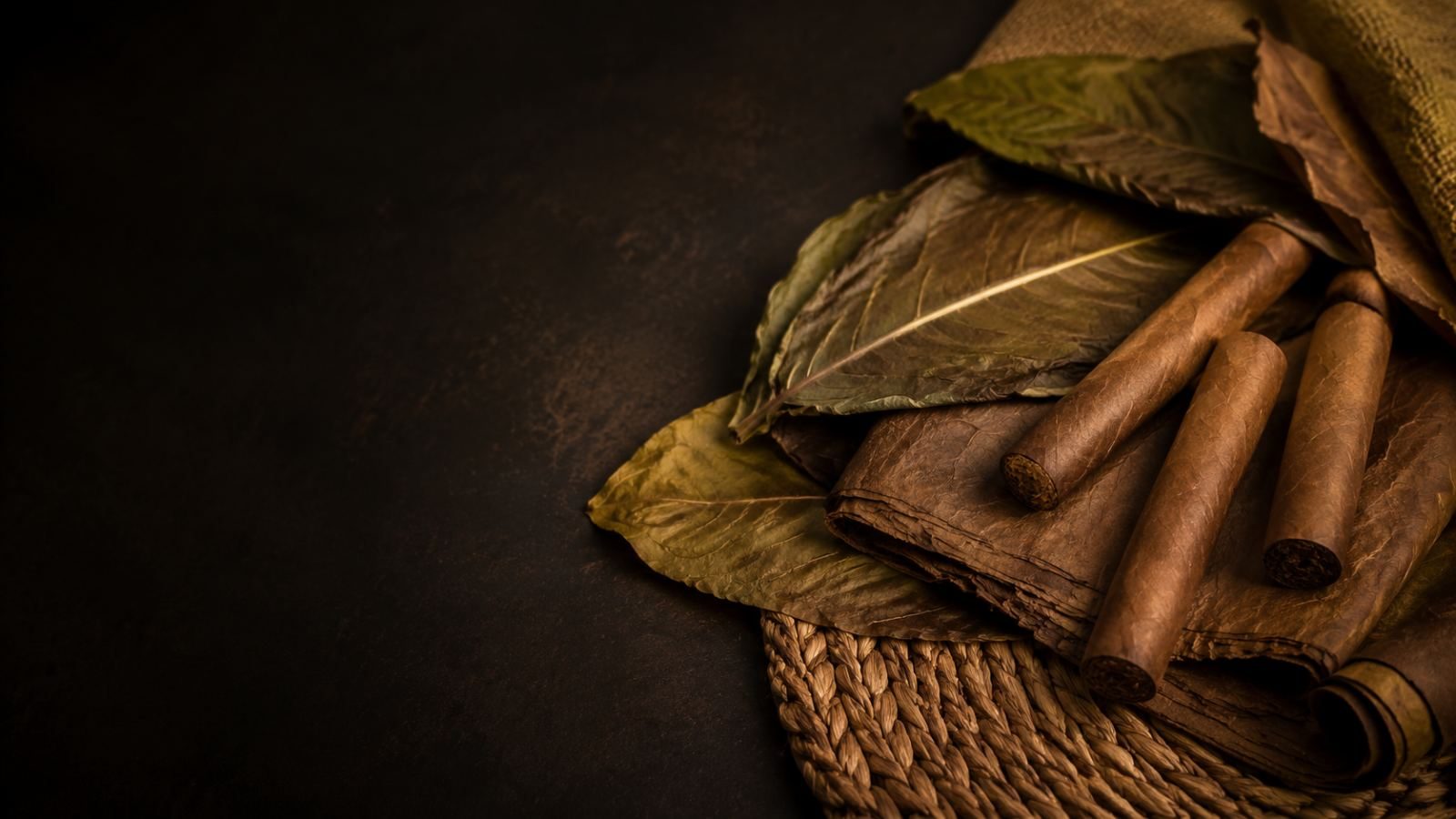
Curing
Harvested leaves are hung and cured, losing moisture and developing colour under controlled conditions.
04
Fermentation
Leaves are stacked and fermented. Temperature is monitored and the piles are turned; the process develops smoothness and complexity.
05
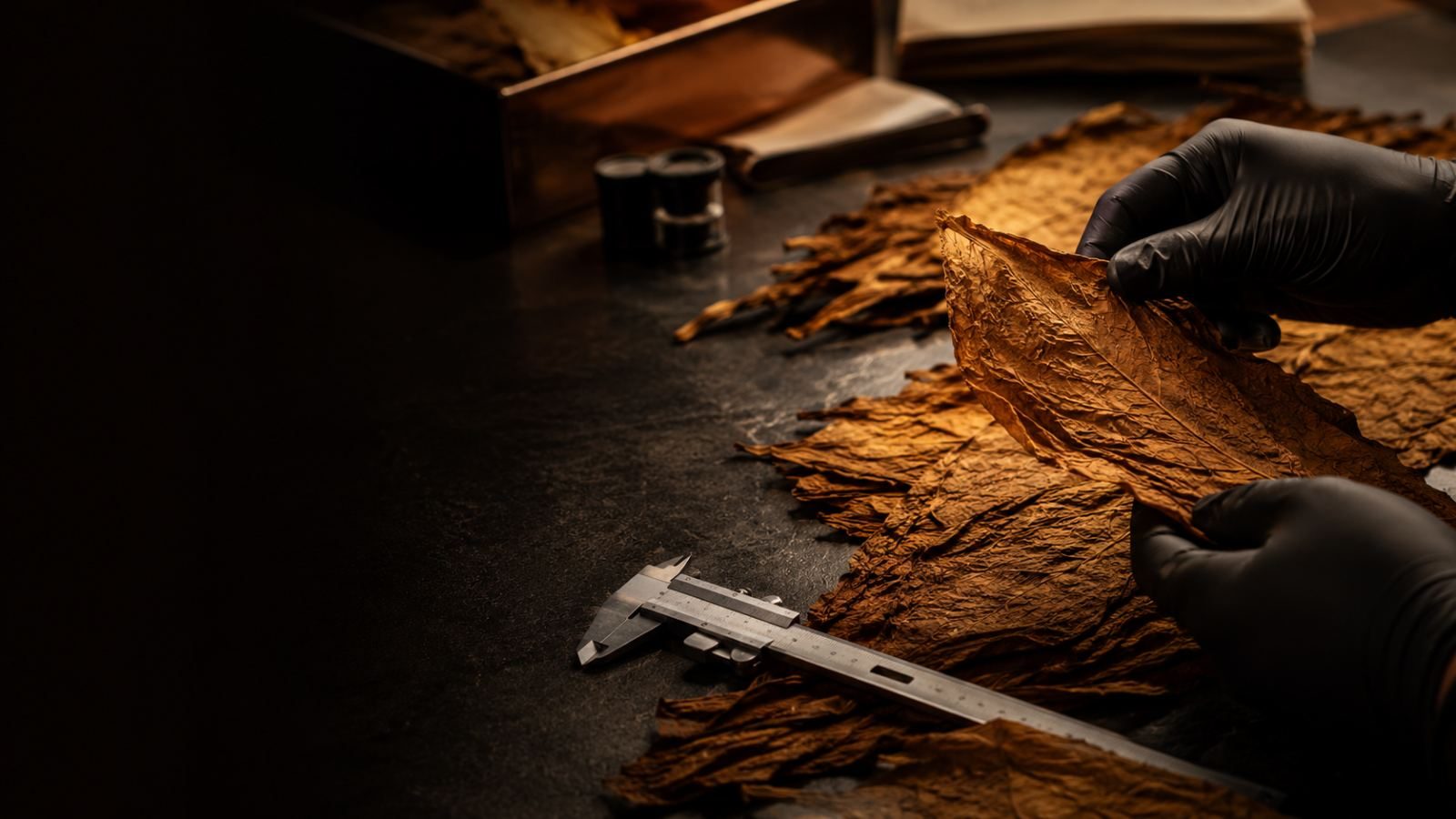
Classification
Every leaf is evaluated by size, texture, condition, and intended use, then separated into grades.
06
Blending
Graded tobacco is combined to a specification, so a product tastes the same in March as it did in November.
07
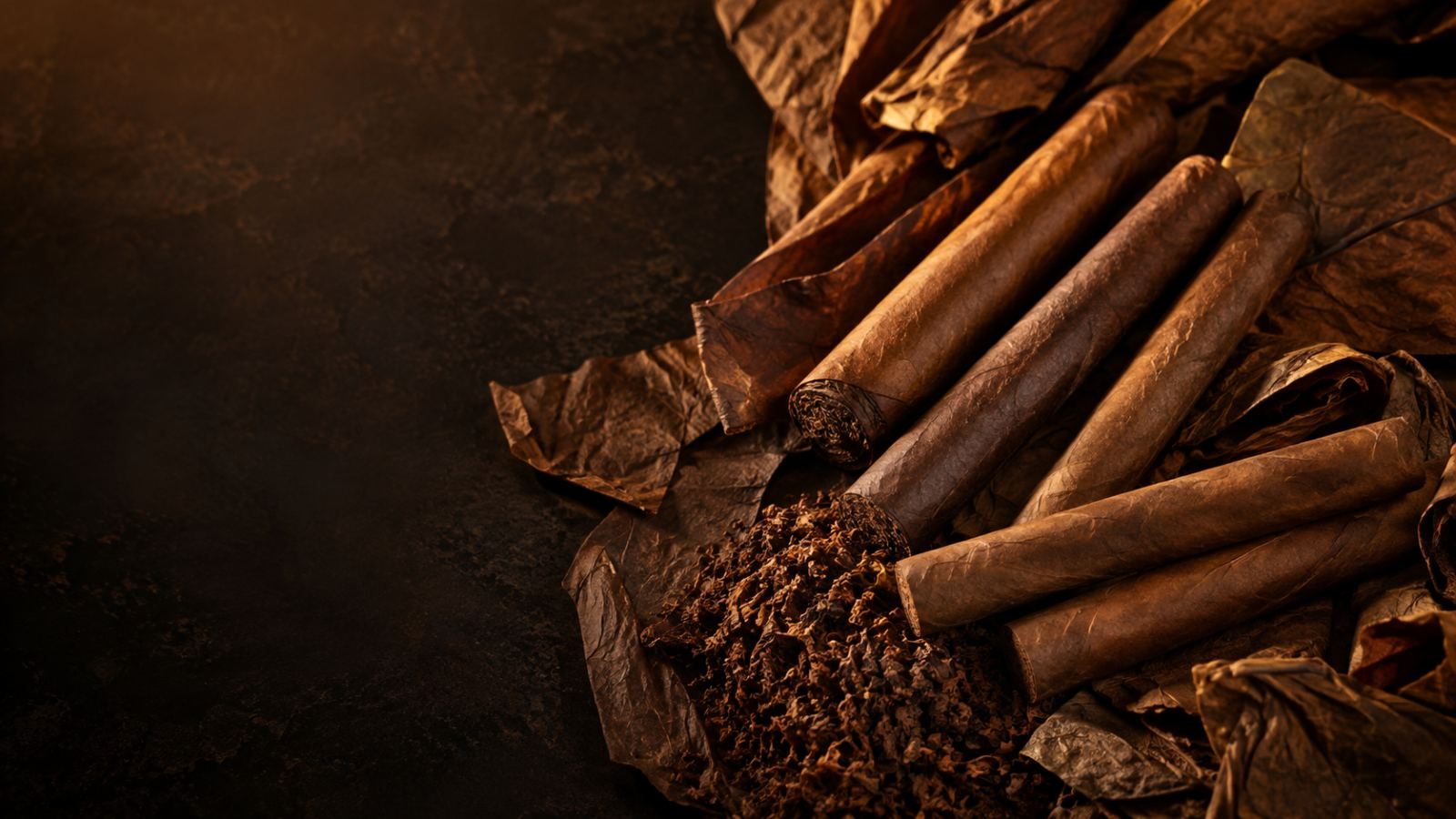
Production
Product is made to format — mechanized cigars, wraps, or cut leaf — under consistent settings.
08
Quality inspection
Finished product is checked against the specification before it moves to packaging.
09
Packaging
Product is packed to the configuration confirmed for the order.
10
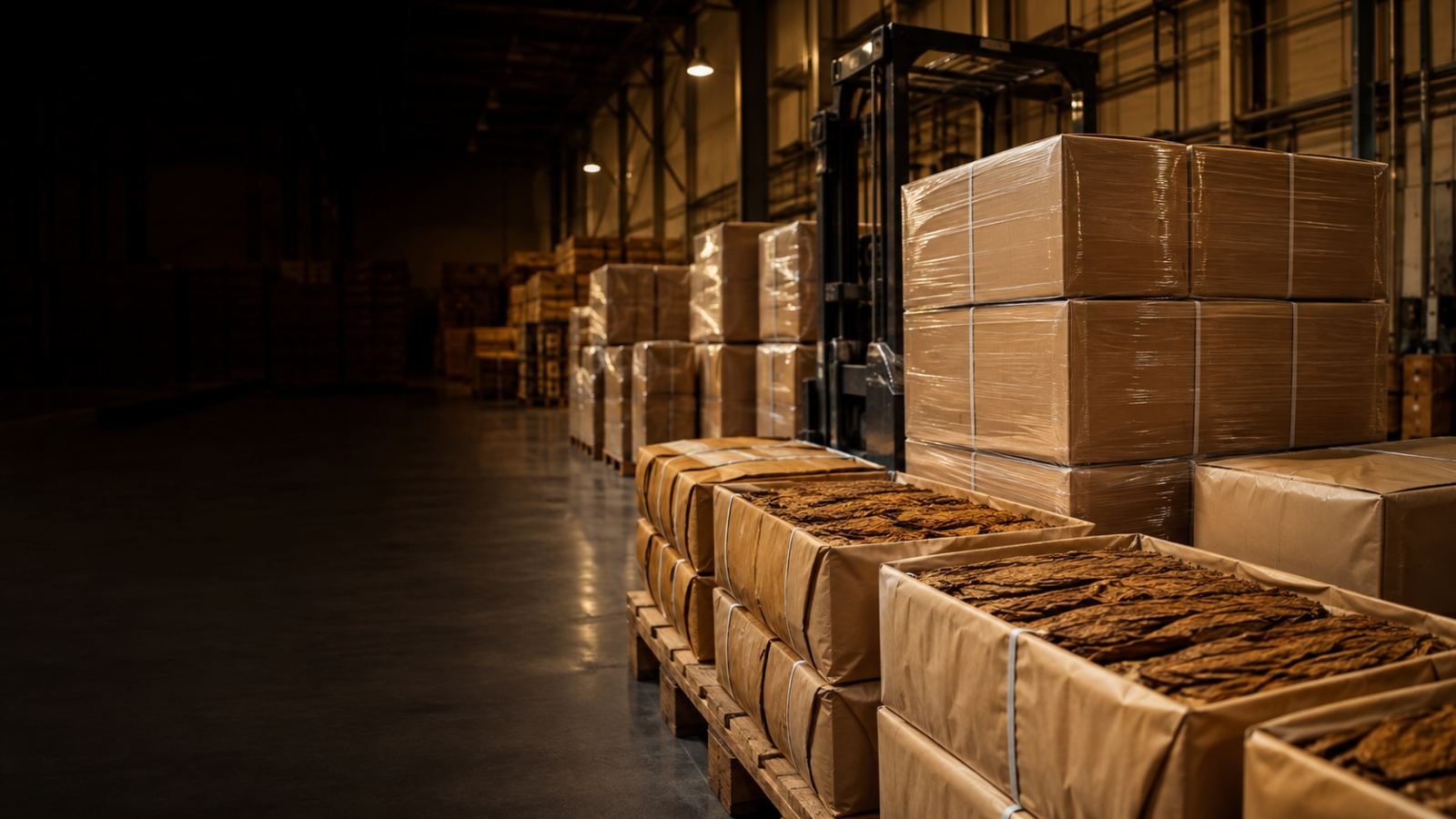
Export preparation
Orders are assembled, documented, and prepared for dispatch to the destination market.
Reference
Primings.
Where a leaf sits on the stalk determines when it is ready and what it is used for.
Ligero
Top of the plant. Most sun exposure, slowest to mature.
Viso
Upper-middle. Oily leaves with pronounced aroma.
Seco
Middle. Balanced and aromatic — the body of many blends.
Volado
Bottom. The mildest leaves, valued for combustion.
Educational reference — not product specification